Mediation and Legal Services
Remote and In-Person

Marla Porter Gross, Esq. is a Florida Supreme Court Certified Family, Circuit, County and Appeals Mediator, Elder Care Mediator and Florida Arbitrator, who has a unique and broad range of context due to her background, education and experience. As a professional neutral, Marla approaches each case with integrity, respect, effective listening and communication, bringing hundreds of conflicts to resolution.
Marla has mediated 400+ Family Law cases and 100+ Civil Disputes, Community, Relationship and Sibling Conflicts, Trust and Estates and Inheritance Disputes. Having started out with a degree in Communication Arts from Cornell University, Marla has been an Attorney for over 30 years in the areas of:
- Family law
- Family-Owned Businesses, Corporations and Tax
- Trusts & Estates and Asset Protection Planning
- Special Education Law and Student Advocacy
- Foundations and Non-Profit 501(c)(3) Organizations
- International Adoption and Orphan Immigration
- Intercountry Dispute Resolution on Child Humanitarian and Custody Issues
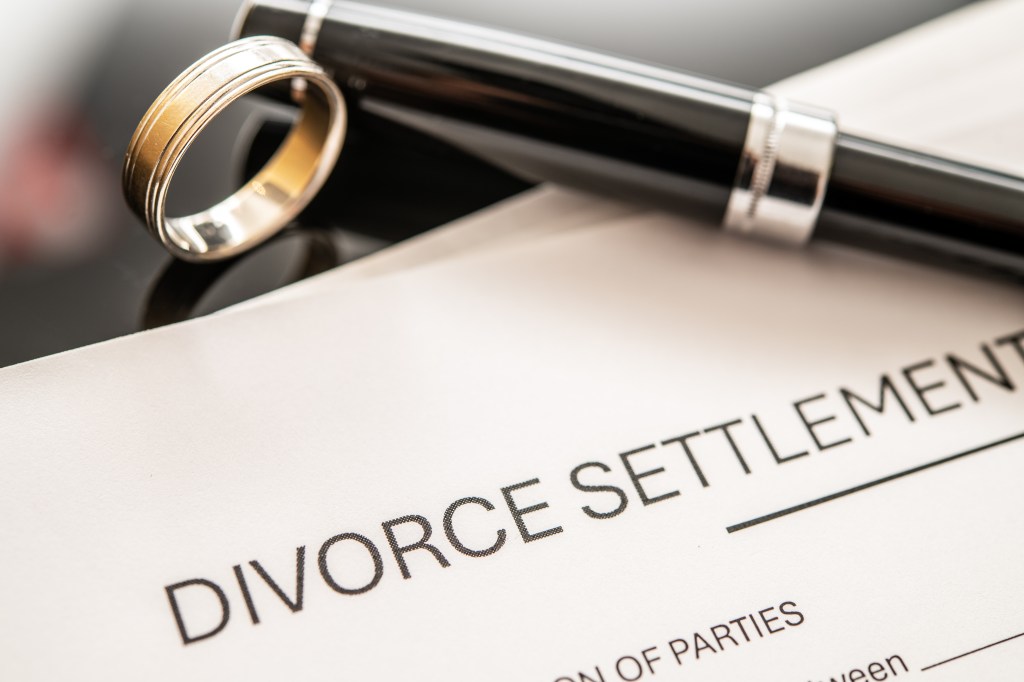
Marla drafts full, partial and temporary Mediated Settlement Agreements for Dissolution of Marriage with and without children — including Parenting Plans, Alimony, Equitable Distribution, and all Child Support Matters. She also calculates Child Support (ongoing and retroactive) and provides DocuSign services for electronic execution of documents. Marla is a member of the Florida, New York and New Jersey Bars.
Family Mediation
Mediation is typically less formal, more cost-effective, and quicker than going through legal proceedings, and it offers families the chance to resolve issues with more control over the outcome
Family mediation is a process where a neutral third party (the mediator) helps family members resolve disputes or conflicts. Family mediation can solve both legal and non- legal issues, addressing a wide range of challenges that families face. In legal contexts, family mediation typically involves divorce or separation. The mediator can help parents come up with a parenting plan, including living arrangements, timesharing and visitation schedules, that can be submitted to the court for approval, in addition to financial settlements, dividing finances in a fair and practical way, involving assets, debts, and future financial responsibilities. In addition, family mediation often provides productive, less-costly resolution of legal disputes over inheritances that involve wills and trusts and estates, as well as complex understandings of trusts and estate tax, income tax and asset protection structures. Working through these legal aspects often results in formal, binding agreements that a court may endorse. In non-legal situations, family mediation can help families improve communication by helping family members hear and understand each other’s perspectives and facilitating better dialogue, especially when family members struggle to communicate effectively. Marla can help families address conflicts that are causing strain, such as differing parenting styles, generational conflicts, or disputes over household responsibilities. Her goal is to help the parties reach mutually agreed-upon solutions, whether legal or not, without the adversarial nature of a court case.
Click on the text below to find out more about our Family Mediation services :



Community Dispute resolution
Community Dispute Resolution is a process where individuals or groups involved in a conflict within a community work together, often with the help of a mediator, to find a solution outside of formal legal or judicial systems. The goal is to address and resolve issues in a way that is collaborative, restorative, and supportive of maintaining or rebuilding relationships within the community.
A neutral mediator helps the parties in conflict communicate and negotiate a solution that works for everyone involved, facilitating communication and helping the parties hear and understand each other’s perspectives to come to an agreement. Community dispute resolution is often used for conflicts involving neighbors, family members, workplace issues, or local governments and organizations. It emphasizes cooperation, mutual respect, and solutions that benefit everyone involved.
- Homeowner Association and Neighbor Disputes
- Local Government and Organizations Conflicts
- Workplace Issues
- School Conflicts
- Cultural and Religious Disputes